

By submitting this form, you agree to our Terms and Conditions
Installation & Longevity
Even the best window will underperform if installed incorrectly. Proper installation, sealing systems, and long-term material durability determine whether your windows perform for 5 years — or 30.
Retrofit vs Full-Frame Installation
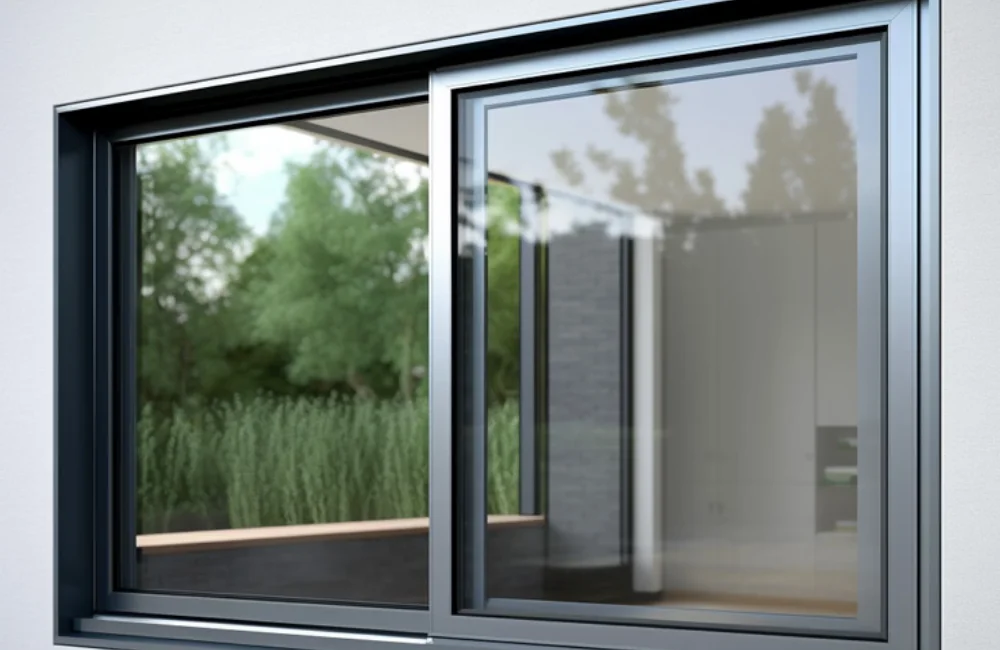
Retrofit (Insert Installation)
The new window is installed inside the existing frame. The original frame remains in place.
Full-Frame (Brick-to-Brick / Stud-to-Stud)
The entire old window and frame are removed down to the structural opening, and a completely new unit is installed.
Performance Impact
Retrofit:
-
Faster installation
-
Lower cost
-
Minimal interior disruption
-
Slightly reduced glass area
Full-Frame:
-
Maximum insulation improvement
-
Better structural integrity
-
Opportunity to fix hidden water damage
-
Restores full glass opening
Tradeoffs
Retrofit:
-
Depends on condition of old frame
-
Does not correct underlying structural issues
Full-Frame:
-
Higher cost
-
Longer installation time
-
More interior/exterior finishing work
Best Choice
Choose retrofit when the existing frame is solid and you want a cost-effective upgrade.
Choose full-frame when the original frame is damaged, drafty, or you want maximum long-term performance.
For premium positioning, offer both — but recommend full-frame when needed.
Airtight Sealing Systems
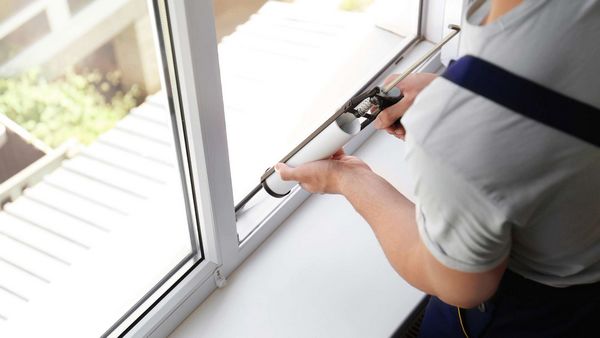
Airtight sealing involves insulating and sealing the gap between the window frame and the rough opening.
Common components:
-
Low-expansion spray foam
-
Backer rod
-
Exterior flashing tape
-
Vapor barrier membrane
Performance Impact
-
Prevents drafts
-
Reduces heat loss
-
Blocks moisture intrusion
-
Improves condensation resistance
-
Enhances overall U-value performance
Tradeoffs
-
Requires skilled installers
-
Poor application can cause frame distortion
Best Choice
Proper sealing should never be optional. A high-performance window requires a high-performance sealing system to achieve its rated performance.
Warranty Coverage
Warranty coverage protects against manufacturing defects and performance failure.
Common categories:
-
Frame warranty
-
Glass seal warranty
-
Hardware warranty
-
Installation warranty
Performance Impact
-
Protects long-term investment
-
Reflects manufacturer confidence
-
Adds resale value
Tradeoffs
-
Warranty terms vary widely
-
Installation warranty may differ from manufacturer warranty
Best Choice
Look for:
-
Long-term frame warranty
-
Sealed unit (glass) warranty
-
Clear written installation coverage
A strong warranty is not just paperwork — it signals product confidence.
Maintenance-Free Materials
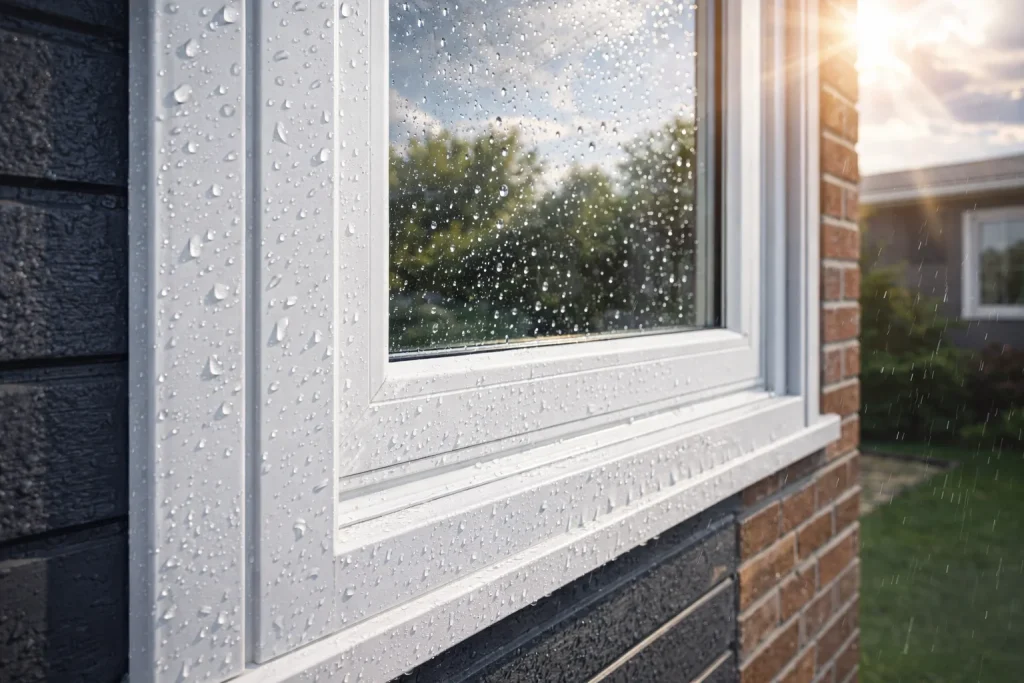
Maintenance-free materials resist:
-
Rot
-
Rust
-
Corrosion
-
Peeling paint
-
UV discoloration
Vinyl frames and modern composite materials eliminate the need for repainting.
Performance Impact
-
Lower long-term ownership cost
-
No sanding or repainting
-
Consistent appearance over years
-
Strong moisture resistance
Tradeoffs
-
Limited refinishing flexibility compared to wood
-
Lower-end vinyl may discolor over time
Best Choice
Choose UV-stabilized vinyl with welded corners and tested durability. It offers the best long-term balance between cost and performance.
Long-Term Performance Guarantee
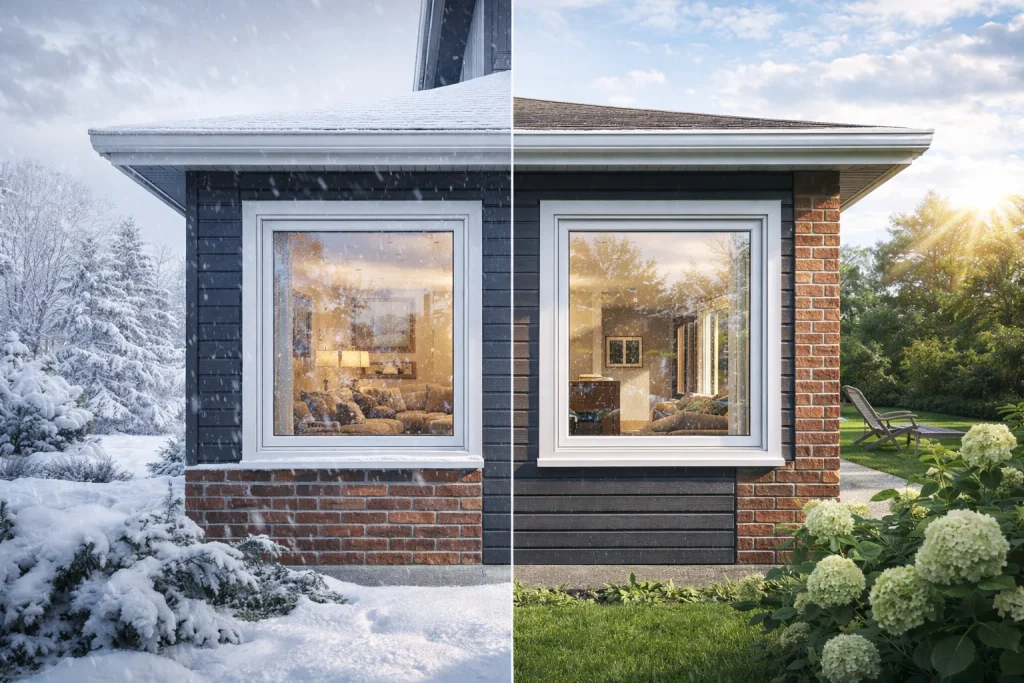
A long-term performance guarantee reflects confidence in both product and installation quality.
It represents:
-
Structural durability
-
Seal integrity
-
Thermal performance consistency
-
Hardware reliability
Performance Impact
-
Peace of mind
-
Lower risk of seal failure
-
Reduced long-term repair costs
-
Confidence in investment
Tradeoffs
-
Higher-quality products cost more upfront
-
Requires proper maintenance and care
Best Choice
Choose companies that stand behind both the product and the installation — not just the glass unit.