

By submitting this form, you agree to our Terms and Conditions
Frame & Structural Engineering
Strength, Stability & Long-Term Performance
Glass gets attention — but the frame determines durability, airtightness, and structural integrity. In cold climates and high-wind regions, frame engineering matters just as much as insulation.
Vinyl Frame Construction
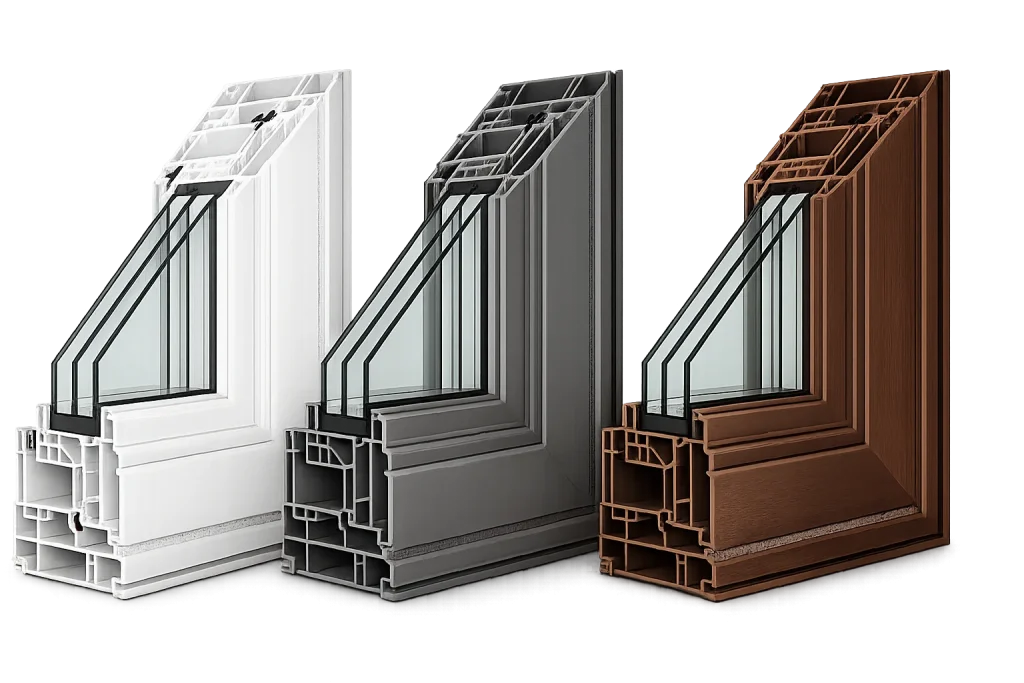
What It Is
Vinyl frames are made from rigid PVC (polyvinyl chloride), engineered for durability, insulation, and low maintenance.
High-quality vinyl frames are:
-
UV-stabilized (resist yellowing)
-
Reinforced at stress points
-
Welded at corners for strength
Performance Impact
-
Excellent thermal insulation
-
No rot, rust, or corrosion
-
Low maintenance (no painting required)
-
Strong resistance to moisture
Tradeoffs
-
Lower-end vinyl can warp or discolor
-
Not as slim as aluminum (unless engineered properly)
Best Choice
Choose high-quality, UV-stabilized vinyl with welded corners and proper internal reinforcement. It delivers the best balance of performance, durability, and cost — especially for Canadian climates.
Multi-Chamber Insulated Frames
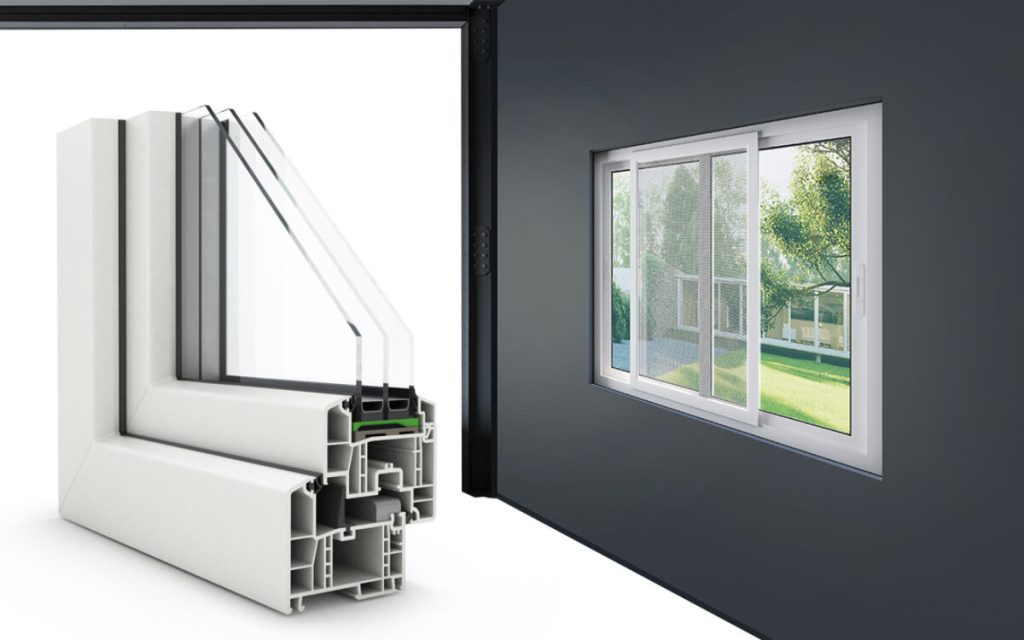
What It Is
Multi-chamber frames contain multiple internal air pockets that trap air and improve insulation.
Each chamber acts as a thermal barrier, slowing heat transfer.
Performance Impact
-
Lower heat transfer
-
Improved U-value
-
Increased structural rigidity
-
Better condensation resistance
Tradeoffs
-
More chambers ≠ always better (design matters more than count)
-
Slightly thicker frame profiles
Best Choice
Look for well-engineered multi-chamber systems — typically 3–7 chambers — designed for structural strength and insulation balance.
If you’re marketing premium builds, emphasize “engineered internal thermal chambers.”
Reinforced Steel Core Options
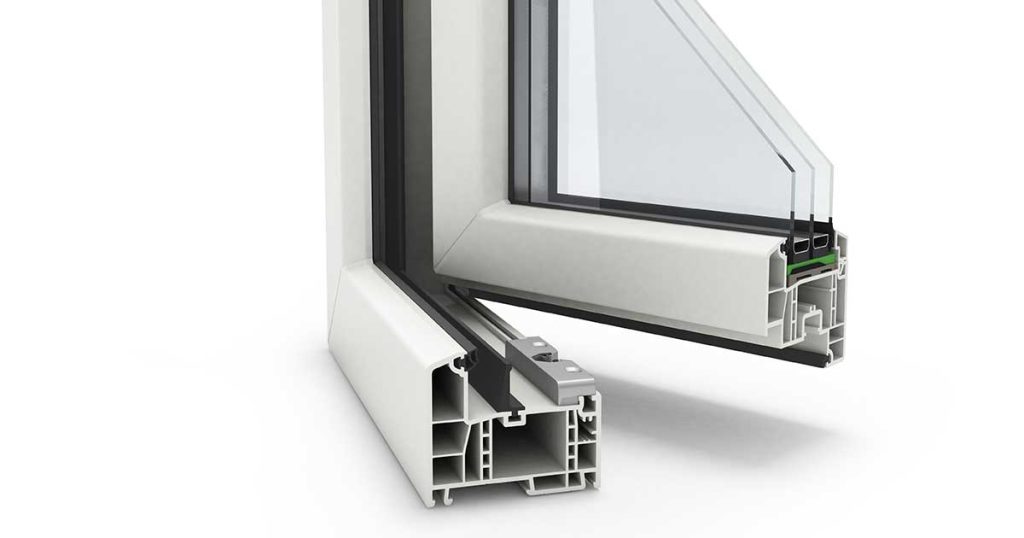
What It Is
Steel reinforcement is inserted inside the vinyl frame to increase strength and prevent flexing, especially in larger window units.
Common in:
-
Large picture windows
-
Bay & bow windows
-
High-wind regions
Performance Impact
-
Increased structural rigidity
-
Reduced frame warping
-
Better long-term alignment
-
Stronger hardware anchoring
Tradeoffs
-
Slightly reduced insulation where steel exists
-
Increased weight
-
Higher cost
Best Choice
Use reinforced steel cores for:
-
Large openings
-
Structural bay/bow windows
-
Homes in windy areas
For smaller windows, high-quality multi-chamber vinyl may be sufficient without steel.
Frame Performance Levels Comparison
| Feature | Standard Vinyl | Reinforced Premium System |
|---|---|---|
| Insulation | Good | Excellent |
| Structural Strength | Moderate | High |
| Wind Resistance | Standard | Elevated (Higher DP) |
| Glass Area | Standard | Slim Profile Available |
| Best For | Budget builds | Modern & large openings |
Slim Profile Technology
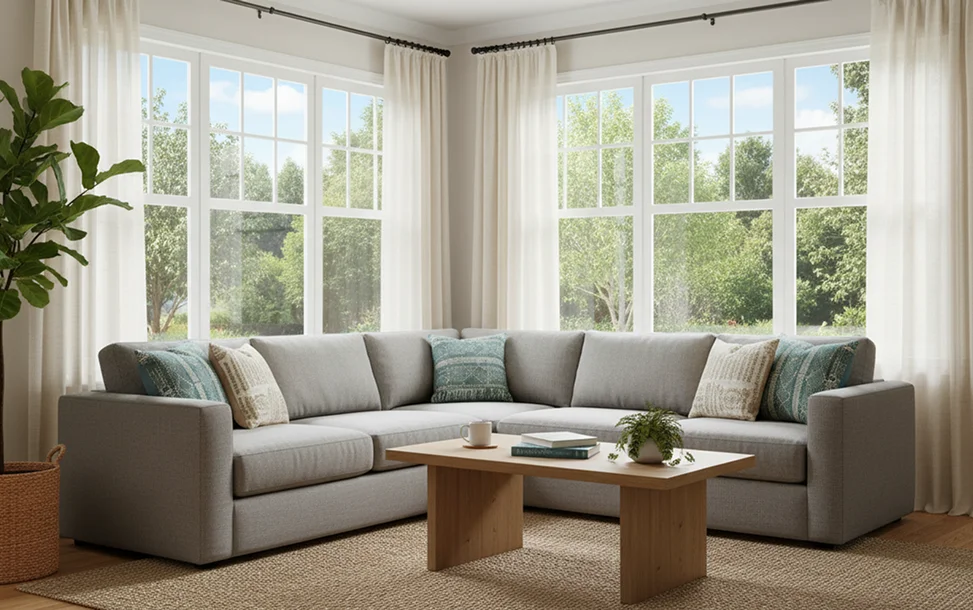
What It Is
Slim profile technology reduces frame thickness while maintaining structural integrity.
More glass. Less frame.
Performance Impact
-
Increased visible glass area
-
More natural light
-
Modern aesthetic
-
Enhanced curb appeal
Tradeoffs
-
Slim designs must still maintain structural strength
-
Lower-quality slim frames may flex over time
Best Choice
Choose slim-profile systems engineered with reinforcement and multi-chamber insulation — not just thinner vinyl.
If targeting modern suburban homes, slim profiles elevate perceived home value.
Structural Ratings (DP Rating)
What It Is
DP (Design Pressure) Rating measures how much wind pressure and structural load a window can withstand without failing.
Higher DP rating = stronger structural performance.
Performance Impact
-
Better wind resistance
-
Improved storm durability
-
Reduced frame flexing
-
Increased long-term reliability
Tradeoffs
-
Higher DP-rated windows may cost more
-
May require stronger installation anchoring
Best Choice
For standard residential use:
DP 30–40 is common.
For larger windows or exposed areas:
DP 40–50+ provides stronger resistance.
If you want to position as premium:
Mention DP ratings in marketing — most competitors don’t.